University of California Press

About the Book

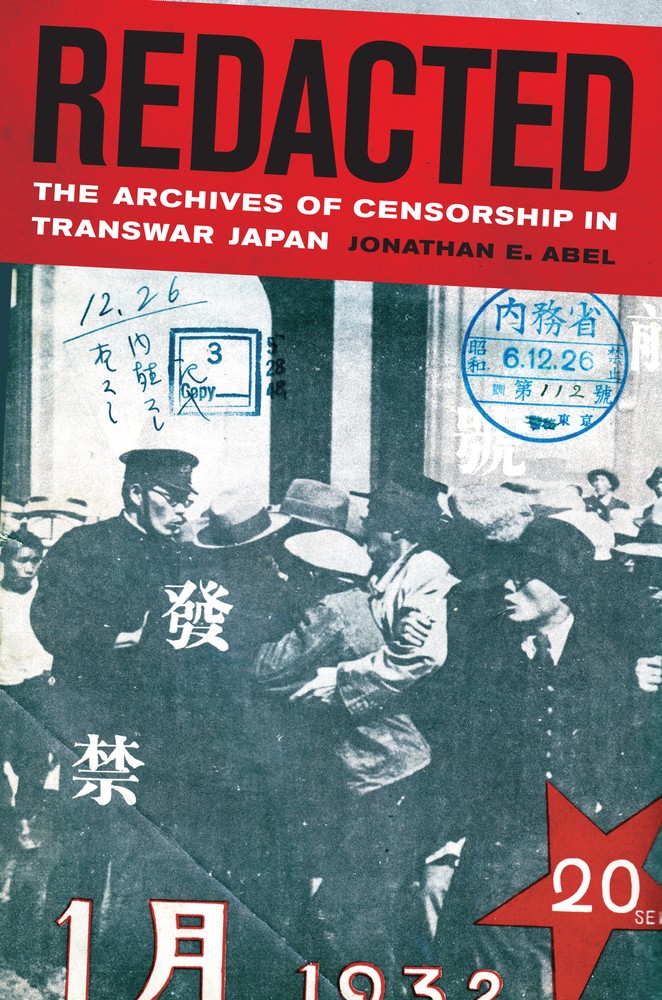
At the height of state censorship in Japan, more indexes of banned books circulated, more essays on censorship were published, more works of illicit erotic and proletarian fiction were produced, and more passages were Xed out than at any other moment before or since. As censors construct and maintain their own archives, their acts of suppression yield another archive, filled with documents on, against, and in favor of censorship. The extant archive of the Japanese imperial censor (1923-1945) and the archive of the Occupation censor (1945-1952) stand as tangible reminders of this contradictory function of censors. As censors removed specific genres, topics, and words from circulation, some Japanese writers converted their offensive rants to innocuous fluff after successive encounters with the authorities. But, another coterie of editors, bibliographers, and writers responded to censorship by pushing back, using their encounters with suppression as incitement to rail against the authorities and to appeal to the prurient interests of their readers. This study examines these contradictory relationships between preservation, production, and redaction to shed light on the dark valley attributed to wartime culture and to cast a shadow on the supposedly bright, open space of free postwar discourse. (Winner of the 2010-2011 First Book Award of the Weatherhead East Asian Institute, Columbia University)

About the Author

Jonathan Abel is Assistant Professor In the Department of Comparative Literature at Penn State University

Table of Contents

List of Illustrations
Acknowledgments
Note on the Translation

Introduction: Archiving Censors

Part I. Preservation
1. The Censor’s Archives and Beyond
2. Indices of Censorship
3. Essaying the Censors

Part II. Production
4. Seditious Obscenities
5. Literary Casualties of War

Part III. Redaction
6. Epigraphs
7. Redactionary Literature
8. Beyond X
9. Unnaming and the Language of Slaves

Coda
10. Redaction Countertime

Notes
Bibliography
Index

Reviews

“[Abel’s] thorough, wide-ranging research has uncovered long-buried works and long-forgotten authors, while upending received wisdom about censorship in the period. . . . The book sets a new benchmark for scholarship on its subject, which has long been popular with foreign academics and journalists alike. Abel explodes their errors and misconceptions with uncommon insight and rigor.”
Japan Times
“[An] original and important book. . . . Abel breaks new ground, and largely achieves his goal of crafting an ethical response to the moral questions posed by censorship.”
Times Literary Supplement (TLS)
"It is difficult to overestimate the path-breaking importance of this book or its broader ramifications for understanding the nature and problems of modern surveillance throughout the globe.”
History: Reviews of New Books
“There is much to love about Jonathan Abel’s new book. Redacted: The Archives of Censorship in Transwar Japan brilliantly takes readers into the performance of different modes of censorship in the early and mid-twentieth century. . . . Abel is wonderfully self-reflexive. . . . [The book] is full of contributions to [many] fields.”
New Bks In East Asian Stds
"What makes Redacted appealing to a broad audience is its ambitious scope and the capacious intellect behind it."
Modern Philology
"The greatest strength of Redacted is its dynamic conceptualization of censorship as working on a continuum rather than in stark binaries."
Modern Philology
"Abel takes a more micro approach, with many detailed examples of the way specific texts were censored... [He] addresses several kinds of texts: literary manuscripts, bibliographies, censors' archives, and essays."
The Journal of Japanese Studies
Redacted is a major work of original scholarship and a signal critical accomplishment. With impressive daring and persistence, Jonathan Abel has investigated rarely used archives to open a body of materials virtually unknown to English-language readers. This is a stunning achievement, and it is sure to change the landscape of Japanese literary studies.” - Marilyn Ivy, author of Discourses of the Vanishing: Modernity, Phantasm, Japan

“A masterful blending of incisive, close textual analysis, subtle situating of literary texts in their historical moments, attention to the very materiality of book culture, Redacted is a truly original thinking about how literature is formed and malformed, written, received, and read, under the pressure of censorship. It does nothing less than reveal a complex but hidden history of modern Japanese literature. A thrilling example of literary historical scholarship that combines the palpable excitement of archival work and the elucidating intensity of close reading.” - Alan Tansman, author of The Aesthetics of Japanese Fascism